Express Delivery
1-Year Warranty
Expert Support
Free Returns
No vehicle has been selected. This part may not be compatible with your vehicle.
Properties
| Weight | 7.2 kg |
| Length | 68 cm |
| Emission standard | euro 5/euro 6 |
| Weight (g) | 7200 |
| Length (mm) | 680 |
| Weight | 7.2 kg |
| Length | 68 cm |
Accepted Payment Options
Shipping Options
Express delivery
| Manufacturer | Productnumber |
| mitsubishi | 1584A543 |
| mitsubishi | 1584A653 |
| mitsubishi | 1584A672 |
| mitsubishi | 1584B071 |
| mitsubishi | 1609939880 |
| Usage numbers |
| Manufacturer | Model | Version | Engine code | Construction type | Construction start | Construction end | Pk | Power kw |
| Heirweg 129, Nazareth-De Pinte, België | |
| +32 492 106 571 | |
| info@fastparts.be |
There are no files to download
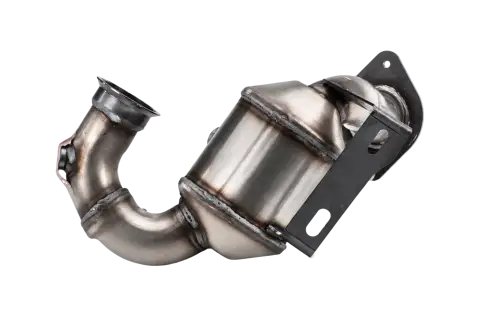
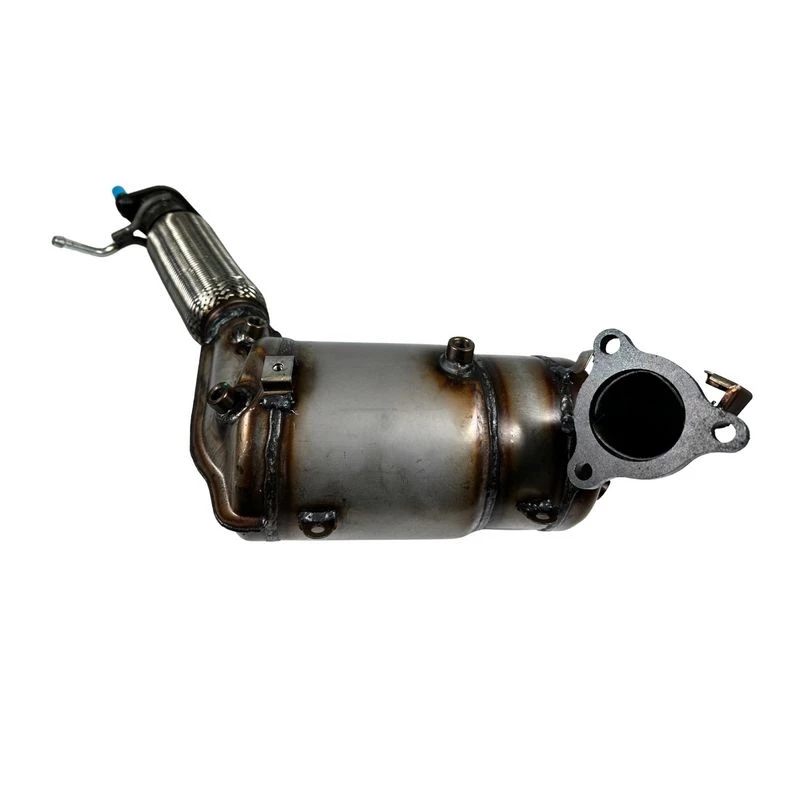
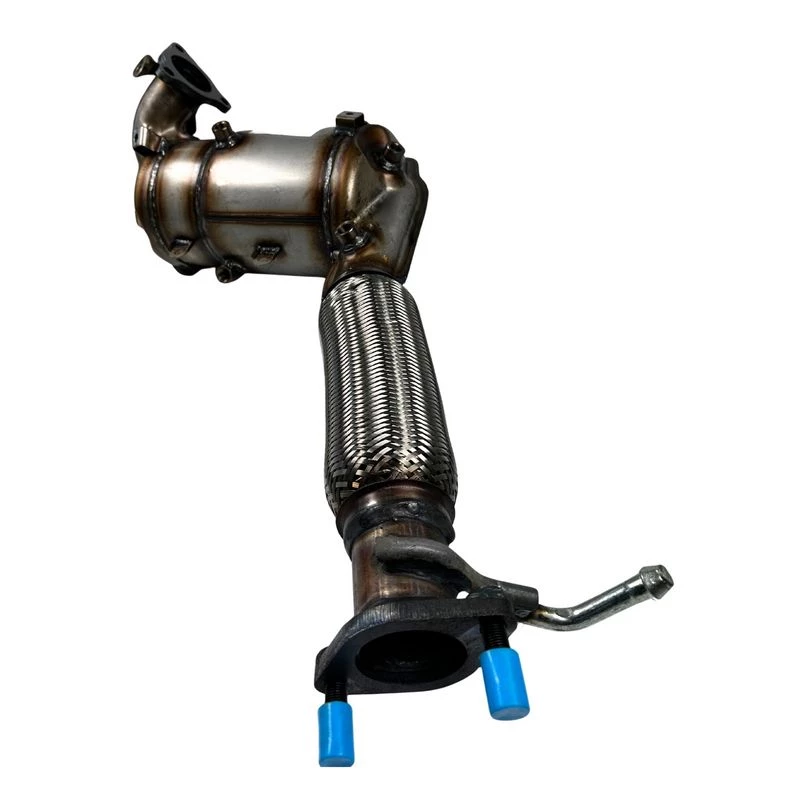
A diesel particulate filter, also known as a DPF or soot filter, is part of the exhaust emission system of a diesel vehicle. It captures soot and fine particles from the exhaust gases before they leave the exhaust. The stored soot is periodically burned off during a process called DPF regeneration.
Common symptoms of a blocked DPF include a DPF warning light, reduced engine power, increased fuel consumption, frequent regeneration cycles, higher exhaust temperatures and the vehicle entering limp mode. A diagnostic scan can confirm DPF-related fault codes and differential pressure values.
A DPF can become blocked due to frequent short journeys, interrupted regeneration cycles, engine or injector problems, excessive oil consumption, defective EGR components or incorrect engine oil. Soot can normally be regenerated, but accumulated ash cannot be burned away and eventually reduces the filter's capacity.
This depends on the condition of the filter. A DPF containing excessive soot or ash can often be professionally cleaned. However, a filter with a cracked substrate, melted internal structure or serious physical damage normally needs replacement. Fastparts can also offer cleaning, repair or remanufacturing options for certain DPFs when a new unit is unavailable.
During regeneration, the exhaust gas temperature is increased so that accumulated soot inside the particulate filter can be burned into a much smaller amount of residue. Vehicles may use passive, active or service regeneration. If regeneration repeatedly fails, the DPF can eventually become excessively blocked.
The safest way to identify the correct particulate filter is by using the vehicle identification number (VIN), original OE/OEM number, engine code, registration details and exact vehicle specification. DPFs that look similar can have different dimensions, sensors, connections, emission standards or engine applications.
Cordierite and silicon carbide (SiC) are two commonly used DPF substrate materials. Cordierite filters are lightweight and commonly used in many applications. Silicon carbide filters generally offer high thermal resistance and heat distribution. Always use a DPF that meets the technical specification required for the vehicle.
No. Before installing a replacement DPF, the underlying cause of the original failure should be diagnosed. Problems with injectors, turbochargers, EGR systems, pressure sensors, temperature sensors, oil consumption or engine combustion can quickly damage or block a new filter. Correct diagnosis helps prevent premature DPF failure.